A water bill that doubles — or worse — with no change in your habits is alarming. But it's also informative: something specific changed, and the list of suspects is shorter than you'd think. Work through these seven causes in order, from most common to most hidden.
And note: in Santa Fe, where tiered water rates make high usage disproportionately expensive, finding the cause quickly isn't just about water — it's about money.
1. A running toilet
The single most common cause. A toilet with a worn flapper or misadjusted fill valve can waste hundreds of gallons a day — silently. Test: put food coloring in the tank; if color appears in the bowl without flushing, it's leaking. Fix the flapper and watch the next bill.
2. Dripping faucets and running fixtures
One drip per second wastes thousands of gallons a year. Check every faucet, showerhead, and hose bib — including outdoor ones you haven't touched in months.
3. Irrigation system issues
Stuck zone valves, broken heads, and controller malfunctions can run thousands of gallons into landscaping overnight. If the spike started in watering season, the irrigation system is suspect number one.
4. Water softener or filtration malfunction
Regenerating softeners stuck in cycle can dump enormous volumes down the drain unnoticed. Check for continuous drain flow.
5. Seasonal and household changes
Guests, new appliances, filled pools, or landscape changes all increase legitimate usage. Rule these out before assuming a leak — compare against the same billing period last year.
6. A hidden indoor leak
Slab leaks, wall-cavity leaks, and water heater failures can run for weeks invisibly. Signs: sounds of running water, warm floor spots, musty odors, damp flooring. The meter test confirms it.
7. An underground service-line leak
If the house checks out but the meter proves flow, the leak is between the meter and the house — underground, invisible, and running at full pressure. This is the most expensive cause per day and the one that most needs professional location.
Your action plan
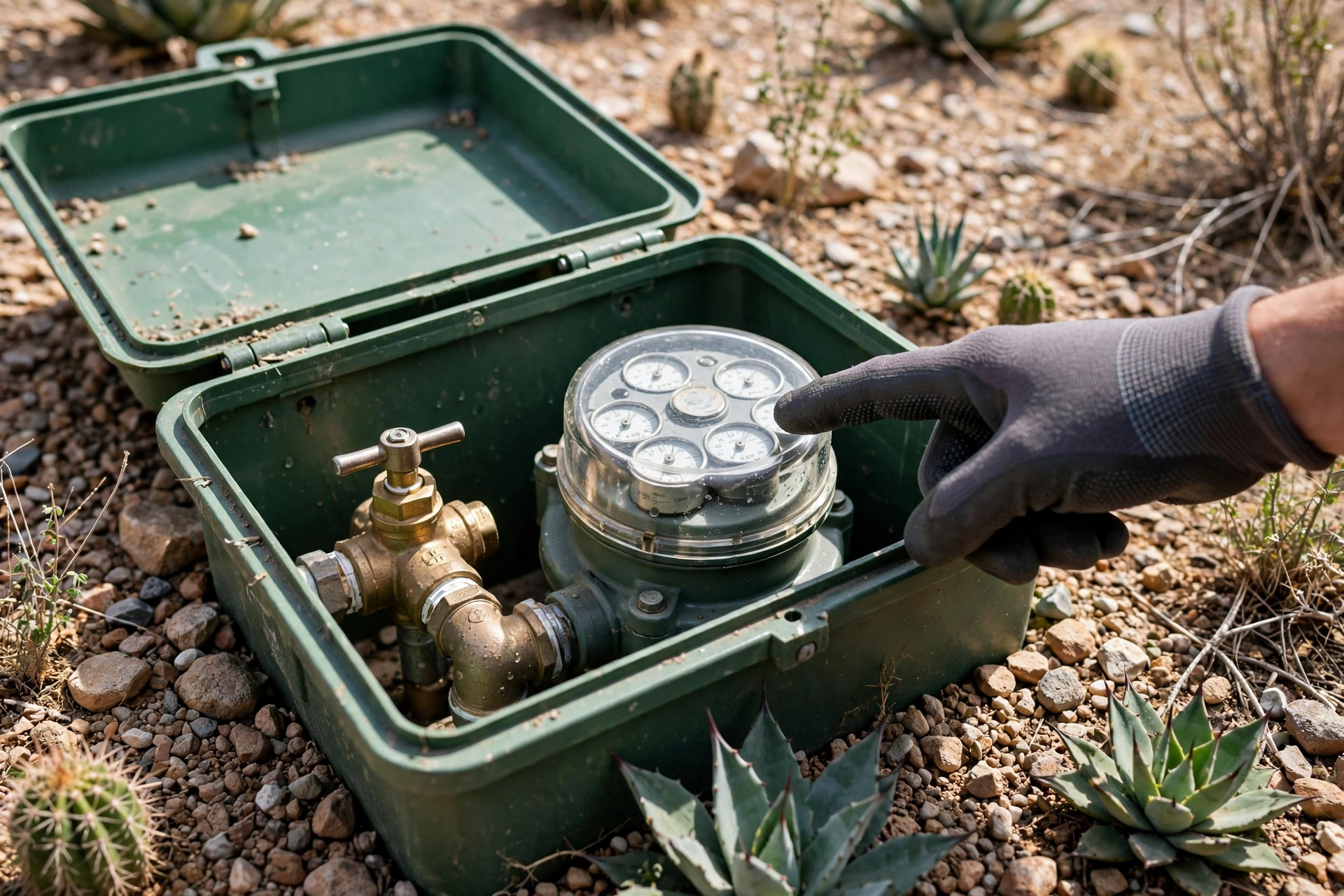
Step one: the 30-minute meter test (shut everything off, watch the meter). Step two: check toilets and irrigation. Step three: if the meter moves with everything off — or with the house valve closed — call a leak detection specialist. Also worth knowing: Santa Fe's water utility offers leak adjustment credits for qualifying repaired leaks, so document everything once the leak is found and fixed.
Common Questions
What is the most common cause of a high water bill?
Running toilets — by a wide margin. A single faulty toilet can waste hundreds of gallons daily. Always check toilets first; it's the cheapest fix on this list.
Can a running toilet really raise my bill that much?
Yes. A toilet with a stuck flapper can waste 200+ gallons per day — that's 6,000 gallons in a month, easily doubling a typical residential bill.
Why is my water bill high with no visible leak?
Because the most expensive leaks are invisible: slab leaks, underground service-line breaks, and wall-cavity leaks. If toilets and irrigation check out, do the meter test — then call for professional detection.
Should I check my water meter first?
Yes — it's the fastest way to confirm whether you have a leak at all. Thirty minutes, no tools, definitive answer. See our step-by-step meter test guide.
Suspect a Leak? Don't Guess — Detect.
Every day a hidden leak runs costs you water and risks damage. Call now for professional, non-invasive leak detection in Santa Fe, NM — open 24/7.